

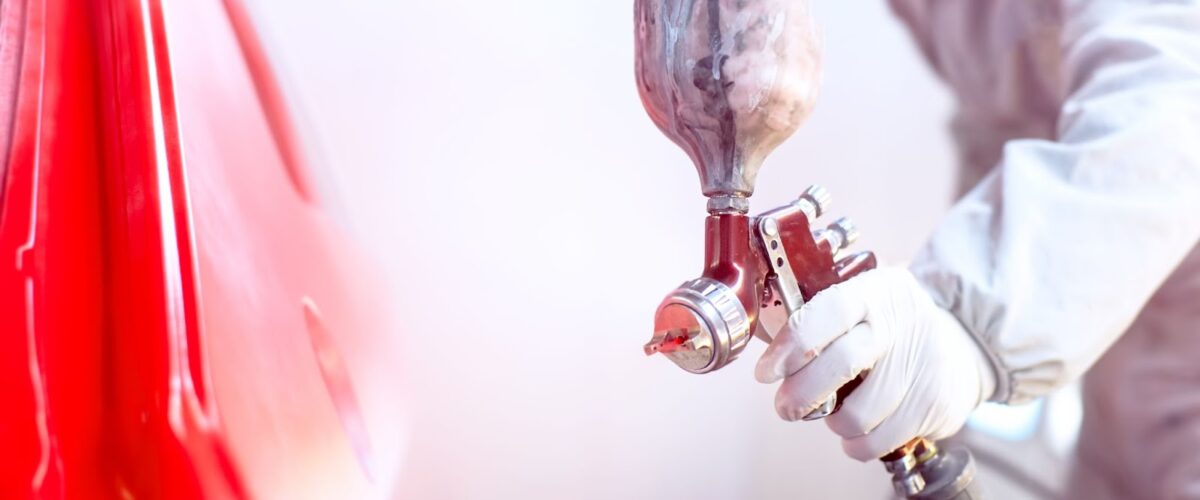
Proper surface preparation of metals for painting is a crucial stage that determines coating adhesion, aesthetics, and long-term corrosion protection. Neglecting this step leads to paint peeling, uneven coverage, or accelerated damage of the construction.
Factors affecting paint adhesion to metal
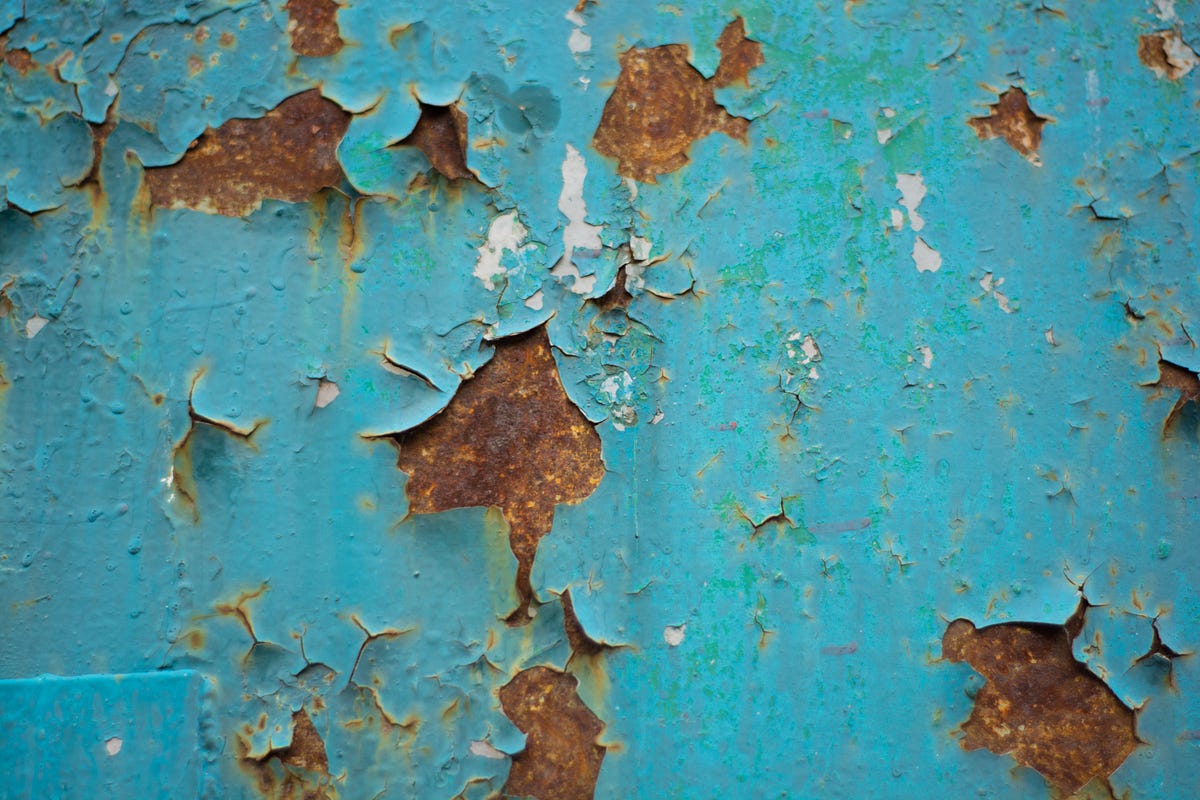
- Corrosion – metal rusting reduces adhesion of protective coatings.
- Contamination – oils, greases, and dust prevent even surface coverage.
- Surface structure – too smooth a surface hinders adhesion, while proper roughness improves it.
Methods for Preparing Metal for Painting
Proper surface preparation is the foundation of effective painting and long-lasting corrosion protection. The choice of method depends on the type of contamination, quality requirements, and the intended use of the component.
1. Degreasing – The First Step in Preparing Metal for Painting
Every metal painting process begins with thorough degreasing. Oils, greases, and technological lubricants are the most common causes of adhesion problems. They are removed through chemical cleaning (using alkaline or neutral detergents) and solvent cleaning (particularly effective for heavy oils and greases).
2. Manual methods – spot solutions
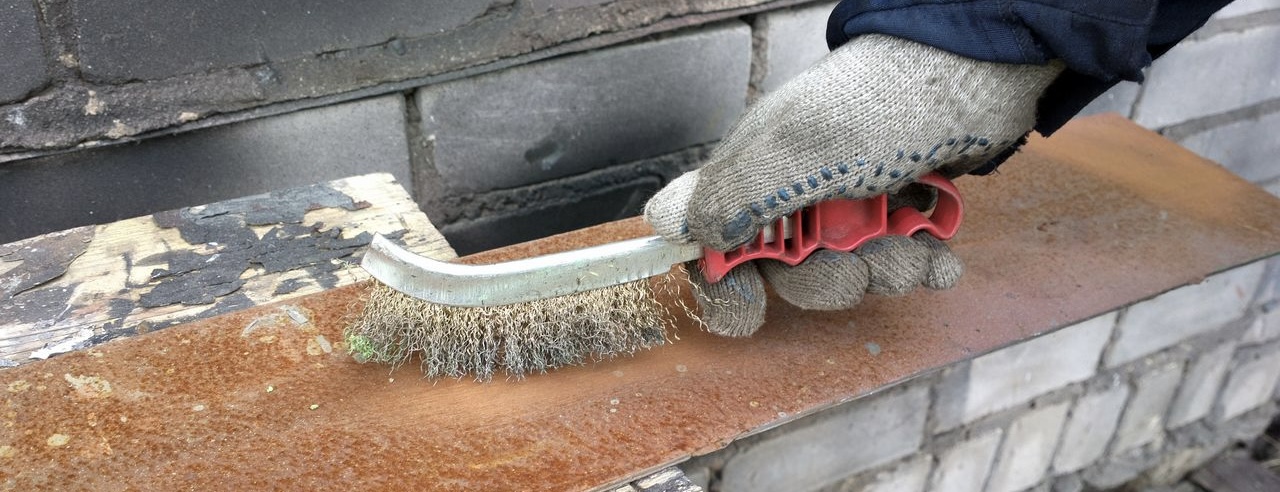
For smaller elements or hard-to-reach areas, manual methods such as grinding and brushing are used. They remove rust, mill scale, or old coatings. While quick and inexpensive, they do not provide full repeatability and are therefore supplementary in large industrial projects.
Find more about effective methods in our article:
Metal surface contaminants – how to remove them effectively?.
3. Abrasive Blasting – Industry Standard in Preparing Metal for Painting
Shot blasting and peening are currently the most effective and widely used methods of mechanical metal cleaning. Unlike traditional sandblasting (now banned in many countries), abrasive blasting is completely safe and meets modern industry requirements. Benefits of shot blasting include:
- removal of rust, mill scale, and old coatings,
- providing optimal surface roughness,
- ensuring excellent adhesion for coatings,
- high repeatability of the process even for large structural components.
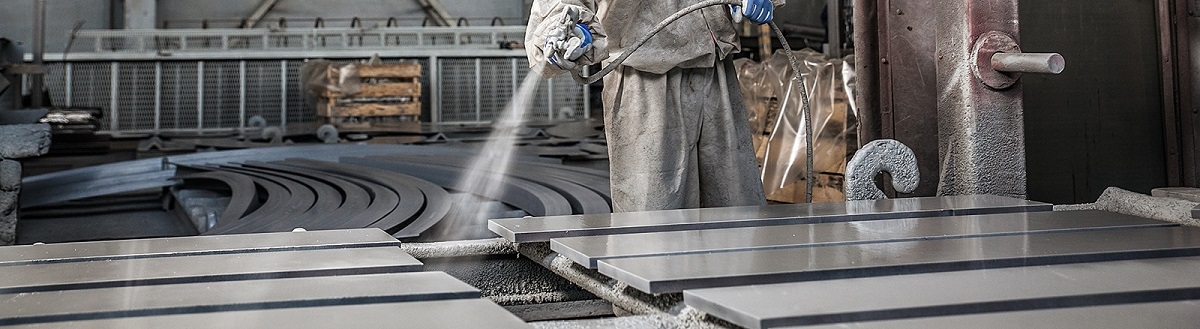
According to the ISO 8501 standard, the appropriate surface cleanliness level directly affects the durability of protective coatings. Abrasive selection is also critical – its grain size and hardness determine cleaning quality, equipment life, and final results. Properly selected shot can extend coating durability by up to several years.
4. Chemical processes
In industries requiring high corrosion resistance, chemical processes are used, such as phosphating, which creates an additional protective layer and improves paint adhesion, and passivation, which protects stainless steel and aluminum against oxidation. While they do not replace abrasive blasting, they complement it in advanced applications.
Selecting the method for the type of metal
| Type of metal | Recommended preparation method | Applications |
|---|---|---|
| Structural steel | Shot blasting, phosphating | Steel structures, bridges, machinery |
| Aluminum | Degreasing, passivation | Automotive, aviation, facades |
| Stainless steel | Light shot blasting, passivation | Food industry, pharmaceuticals |
| Galvanized surfaces | Degreasing, light abrasive | Fences, outdoor structures |
Common Mistakes in Preparing Metal for Painting
Even the best paint or coating technology will not deliver durability if the metal surface is not properly prepared. In industrial practice, several typical mistakes are repeated, which should be avoided:
-
Painting on uncleaned or damp surfaces
One of the most serious mistakes is applying paint to a surface that still contains contaminants, oils, rust, or moisture. This results in rapid paint detachment and blistering corrosion. Therefore, degreasing and ensuring the surface is completely dry before painting is crucial.
-
Incorrect abrasive selection
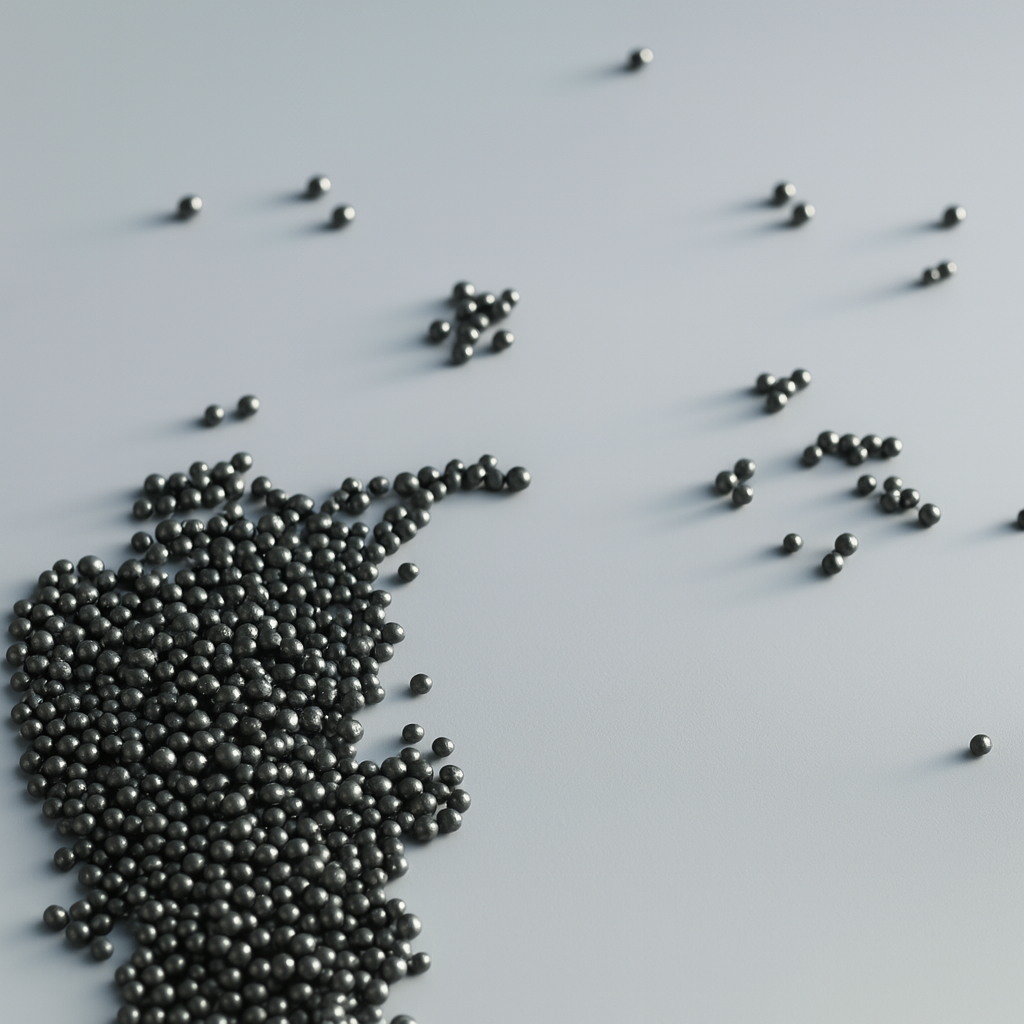
Another common issue is the wrong abrasive grain size and hardness. Too aggressive abrasive can cause excessive wear or even damage the surface. On the other hand, too gentle abrasive won’t effectively remove scale or rust. That’s why working with an experienced supplier is vital to select steel shot suited to a specific application.
-
Too smooth a surface after blasting
Contrary to appearances, a perfectly smooth surface is not desirable. Paint requires micro-roughness to anchor and adhere firmly to the substrate. If abrasive blasting is done incorrectly, the coating layer bonds weakly to the metal, shortening its service life. Optimal roughness can only be achieved with precisely selected abrasives.
-
Failure to remove dust after blasting
Even the best blasting process can fail if dust particles remain on the surface. They act as a barrier between metal and coating, causing paint detachment. Therefore, after blasting, the surface must be blown, vacuumed, or washed to ensure it is completely clean and ready for painting.
The role of abrasive quality and professional advice
Choosing the right abrasive affects not only coating adhesion but also operating costs and equipment service life. At Ingritech, we supply top-quality steel shot and provide technical support to optimize the surface treatment process. Proper metal surface preparation is an investment in coating durability and aesthetics. With professional methods such as shot blasting and high-quality abrasives, it is possible to achieve coatings with enhanced resistance to external factors.
Do you need technical advice or a quote?
Contact us to receive a personalized offer or abrasive samples tailored to your production.