

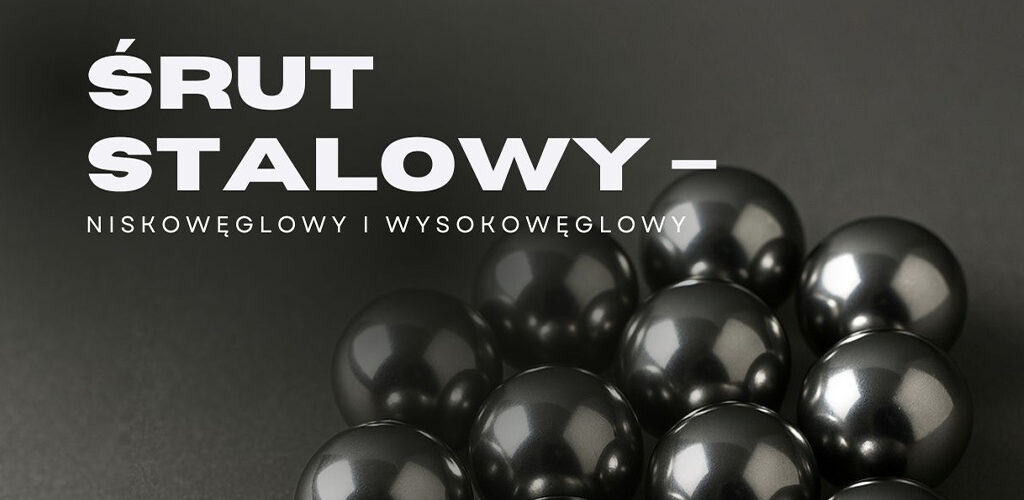
What Is Steel Shot?
Steel shot is a metallic abrasive material produced through a melting and granulation process of cast steel. It is characterized by high hardness, excellent mechanical durability, and the ability to be reused multiple times. Its main applications include:
- cleaning of steel, cast iron, and aluminum surfaces,
- surface preparation before painting or galvanizing,
- treatment of steel structures, pipes, and tanks,
- removal of corrosion and mill scale,
- reinforcing machine parts through shot peening.
Low-Carbon vs. High-Carbon Steel Shot: Classification Based on Carbon Content
Low-Carbon Steel Shot
This type contains less than 0.25% carbon, which makes it softer and more ductile. As a result, it causes less wear on blasting equipment, ultimately reducing operating costs. Low-carbon shot is often chosen when there is a strong need to control the aggressiveness of blasting and to reduce dust emissions—both of which contribute to safer and more comfortable working conditions.
High-Carbon Steel Shot
This shot contains 0.8-1.2% carbon, resulting in higher hardness and increased blasting aggressiveness. It is ideal for removing tough contaminants and scale from steel components—even under challenging conditions. While it is more abrasive and effective in intensive cleaning tasks, its lifespan is shorter compared to low-carbon shot, which should be taken into account when planning your operations.
Comparison of Properties: Low-Carbon vs. High-Carbon Steel Shot
| Parameter | Low-Carbon Shot | High-Carbon Shot |
|---|---|---|
| Hardness | Lower (36–40 HRC) | Higher (40–51 HRC) |
| Lifespan | More cycles | Shorter lifespan |
| Blasting aggressiveness | Moderate | High |
| Dust generation | Lower | Higher |
| Operating cost | Lower | Higher (due to more frequent replacement) |
| Applications | Gentle cleaning, large surfaces | Heavy contamination, heavy industry |
When Should You Choose Low-Carbon Steel Shot?
Low-carbon steel shot is recommended especially when cost-efficiency and minimal equipment wear are key priorities. Thanks to its properties, it is particularly suitable for operations that require long-term durability and precise quality control. Therefore, it is ideal for:
- large manufacturing plants with intensive production cycles,
- processes where low dust levels are crucial,
- cleaning surfaces sensitive to damage,
- automatic drum and belt shot blasting machines.
When Is High-Carbon Steel Shot the Right Choice?
High-carbon shot is indispensable in harsh working environments, where both high cleaning efficiency and fast processing times are critical. Due to its increased hardness and aggressive performance, it excels in situations that require powerful and precise surface treatment. Moreover, it performs well where standard abrasives may fail. Typical applications include:
- blasting of steel structures prior to painting,
- removal of scale and corrosion from metal surfaces,
- shot peening in the aerospace and automotive industries,
- treatment of steel and cast iron components.
How to Choose ?
To ensure maximum process efficiency, selecting the right steel shot should always be based on an analysis of several key factors:
- the type of material being treated,
- the required surface roughness,
- available blasting machine power,
- process repeatability requirements,
- long-term operational costs.
It is highly recommended to consult your abrasive supplier, who can provide tailored guidance that considers both technology and budget constraints.
Conclusion
Ultimately, the choice between low-carbon and high-carbon steel shot depends primarily on the specifics of your production process and the expected efficiency and surface treatment quality. Low-carbon shot is typically a better choice for operations that require extended material durability and controlled equipment wear. On the other hand, high-carbon shot offers more intensive and faster cleaning, making it irreplaceable when efficiency and speed are paramount. Consequently, the decision should always be made based on a thorough analysis of operational conditions and production requirements.
Need technical advice or a quote?
Check our range of low-carbon and high-carbon steel shot or get in touch with one of our technical advisors. We will help you select the most suitable abrasive material for your industrial needs.